Peptide High Quality: Importance Of Third-party Validation
- The need to understand proteins and their features has caused establishing peptide synthesis strategies like SPPS.
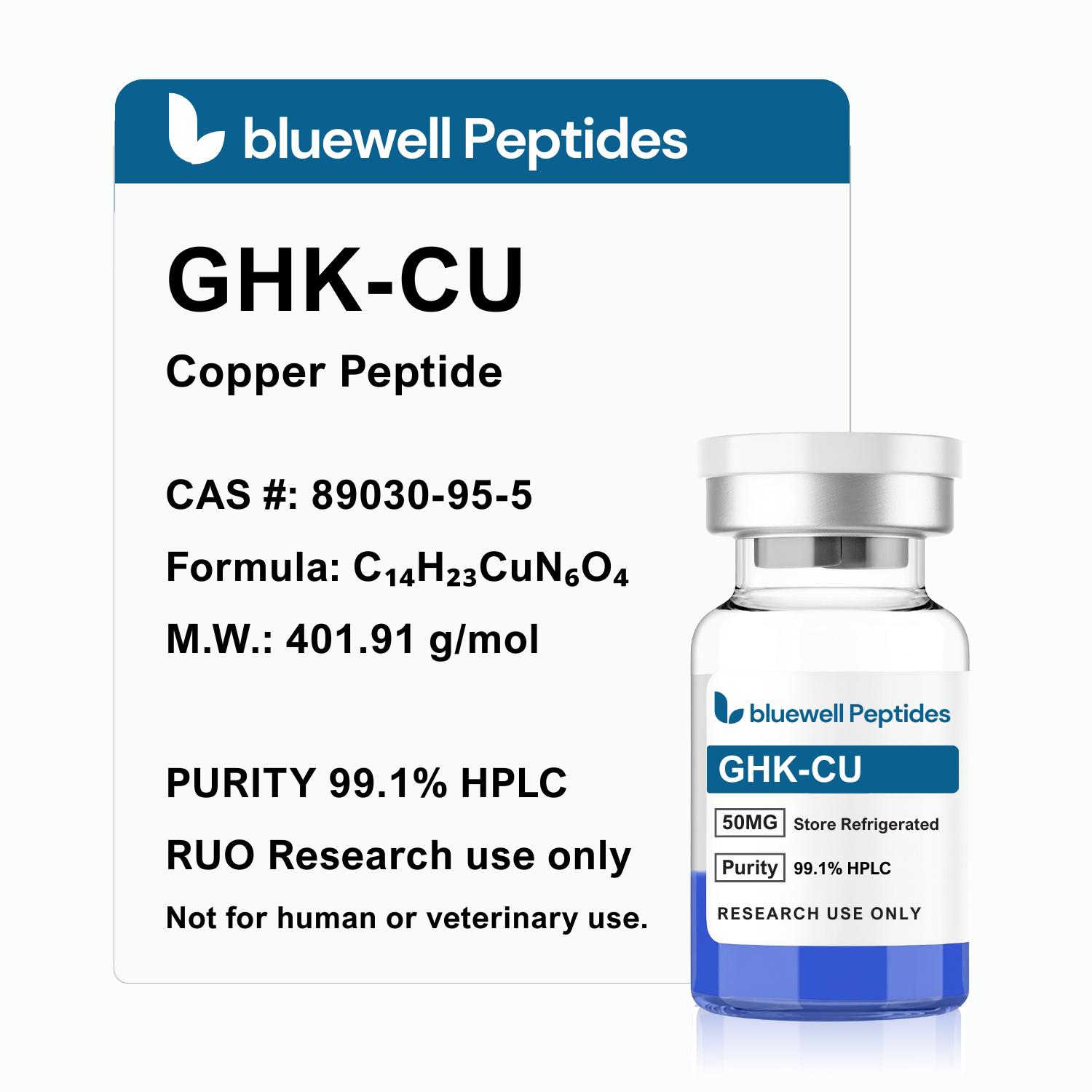
- We can provide peptide pureness evaluation with the help of analytical reversed stage HPLC in combination with mass spectrometry.
- This traceable verification process gives full presence from synthesis to delivery.
- Third-party laboratory validation can significantly aid in this conformity procedure.
Result Of Temperature On Rp-hplc Of Arbitrary Coil Vs Α-helical Peptides
They likewise examine You can find out more both resources and finished peptide vials, which assists capture any kind of pollutants, deterioration items, or solution disparities. This level of extensive analysis ensures the peptide's accuracy-- suggesting the sequence and purity are precisely as identified-- which is essential for speculative reproducibility. By verifying make-up through several validated approaches, laboratory validation assurances that researchers get a high-purity peptide that will certainly do as anticipated in the lab. With each other, these devices supply a clear and comprehensive picture of peptide structure, ensuring researchers can trust their information. Other spectroscopic techniques, such as Infrared (IR) or UV-Vis analysis, are often made use of for fast high quality checks or architectural verification. At Maxed Out Substances, we make peptide openness a leading priority. The pureness is then evaluated as the percentage of the primary peak area versus complete areas, providing an accurate procedure of how pure the peptide is [2] Matching HPLC, research laboratories use Mass Spectrometry (commonly paired as LC-MS) to validate the peptide's molecular weight and sequence identification. Mass spectrometry offers molecular verification by discovering the specific mass of the peptide and any co-eluting types or truncated sequences with high accuracy. With each other, HPLC and MS information permit experts to validate that the peptide's structure matches what it should be (appropriate amino acid sequence and anticipated modifications) and that no significant impurities are present. For scientists, acquiring validated peptides isn't simply a formality-- it's the structure of trustworthy experiments and research study reproducibility.What is thought about high purity?
Gases that have extremely reduced degrees of impurities are high-purity gases. They are fine-tuned to be composed nearly completely of the designated gas particles. The level of pureness of these gases is usually above 99.995% and can exceed 99.99999%. These gases are graded based upon the variety of nines in the purity level.